

Opens in a new tab

Previously Sold Koi

Explore koi that have found new homes through Toyoma Koi. This gallery offers a look at the varieties we’ve sold and the quality of fish we source. Each koi pictured has sold, but you can browse our current selection to find one for your pond.

    Tancho Sanke
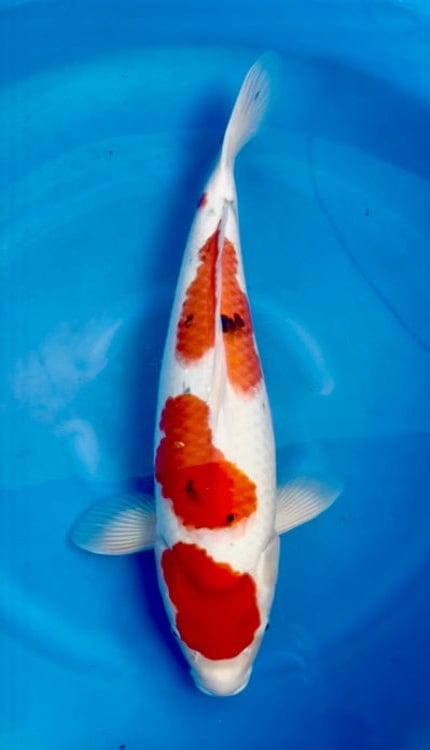
    Koi fish with a red and white pattern swimming in a blue pool

    Tancho Sanke Female Koi Fish SOLD

    Kin Kujaku
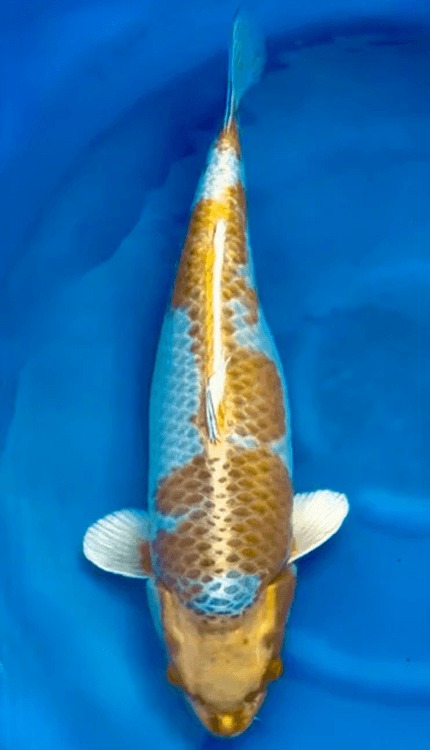
    A Kin Kujaku is a brilliant metallic Japanese koi known for its combination of luminous skin, strong pattern, and distinctive reticulation. As a hikari variety, it typically shows a bright platinum-white base overlaid with orange to red patterning and a dark matsuba-style netting across the scales, giving the fish its signature pinecone-like finish. In Nishikigoi, Kujaku is admired for blending elegance with ornament, and a Kin Kujaku stands out for the extra warmth and radiance it brings to the pond.

    Kin Kujaku 3 Year Female Koi Fish SOLD

    Tancho Goshiki
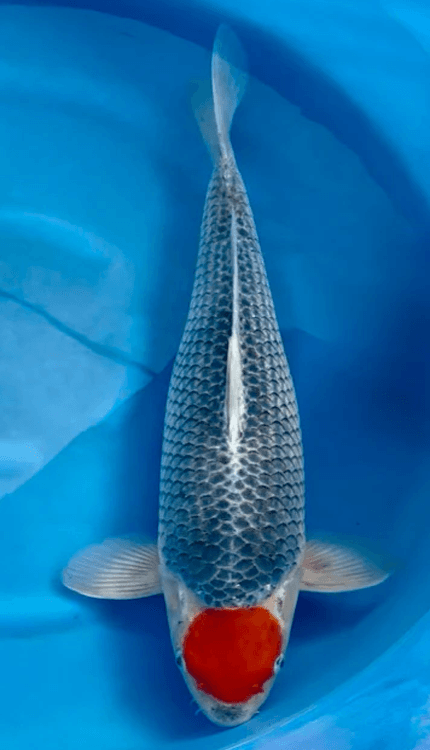
    tancho goshiki 3 year female koi fish sold

    Tancho Goshiki 3 Year Female Koi Fish SOLD

    Ginrin Showa
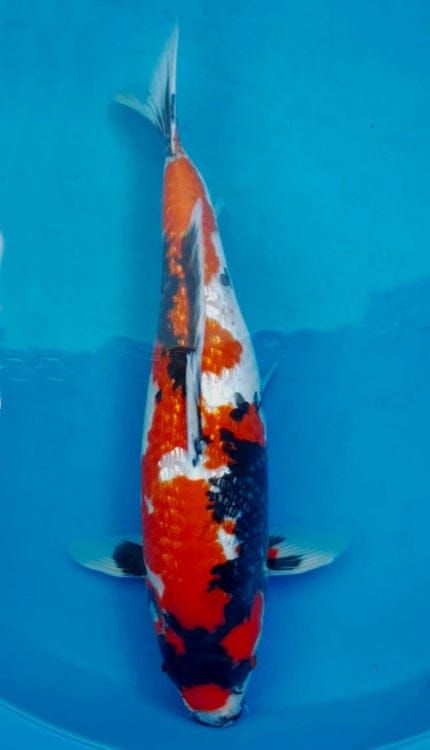
    Multicolored koi fish swimming in a pool with a blue background

    Ginrin Showa Female Koi Fish SOLD

    Ginrin Sakura
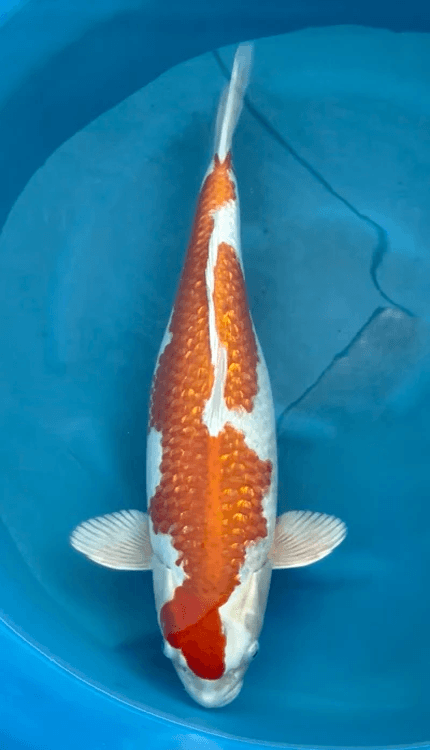
    Koi fish with a red and white pattern swimming in a blue container.

    Ginrin Sakura Kohaku Female Koi Fish SOLD

    Kohaku
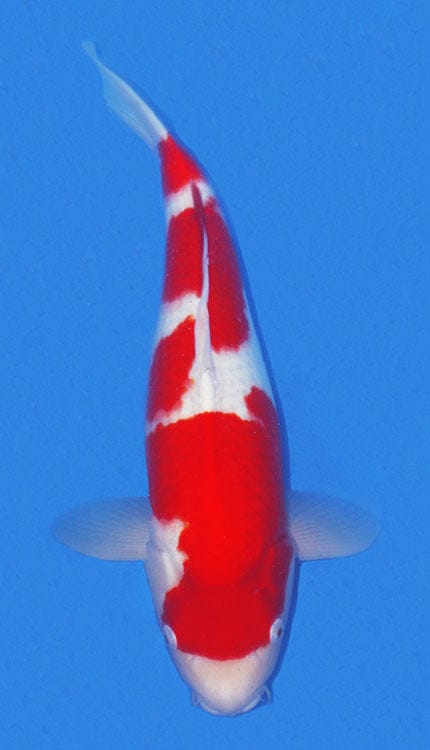
    A single Kohaku koi fish with a predominantly white and red coloration, swimming against a blue background.

    4215 kohaku 3-year female 23 koi-fish 2

    Ginrin Asagi
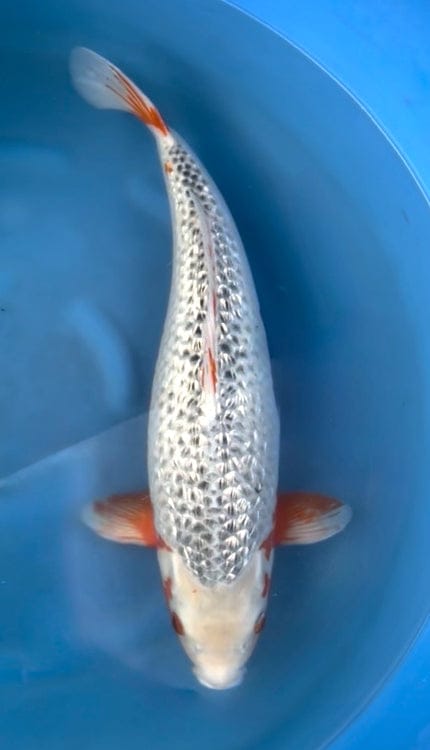
    Ginrin Asagi Nishikigoi swimming in a blue bowl

    Ginrin Asagi Female Koi Fish SOLD

    Taisho Sanke
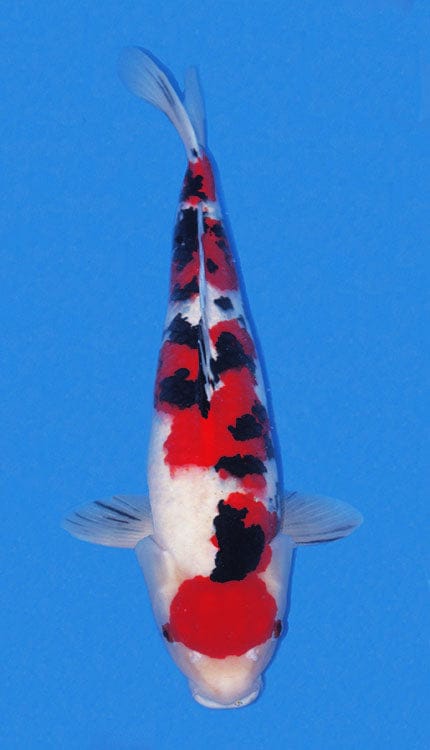
    A photo of a Taisho Sanke koi fish, predominantly white with red and black markings, against a blue background.

    4211 Taisho Sanke 3 Year Female 23″ SOLD

    Asagi
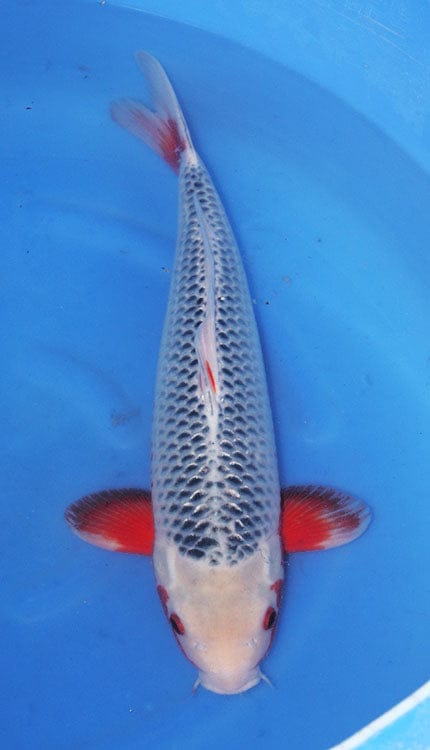
    An Asagi is one of the oldest and most respected varieties of Japanese koi, admired for its calm beauty and classic netted appearance. This Nishikigoi is known for a blue to blue-gray body with dark reticulation across the scales, paired with red or orange hi that typically appears along the sides, cheeks, belly, and fins. The beauty of Asagi comes from balance and subtlety, with the cool blue body and warm secondary color creating a look that feels both traditional and deeply refined.

    4210 Asagi 2 Year Female 19″ SOLD

    Hi Utsuri
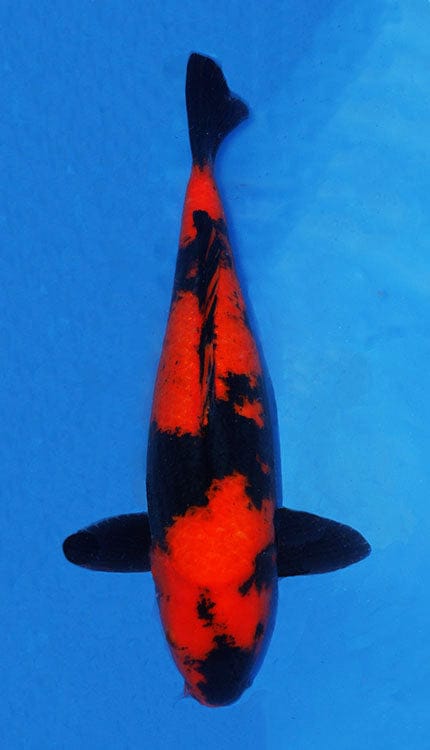
    A close-up image of a female koi fish with a black and red color scheme, swimming in water with a blue background.

    4014 Hi Utsuri 2 Year Female 18″ SOLD

    Sanke
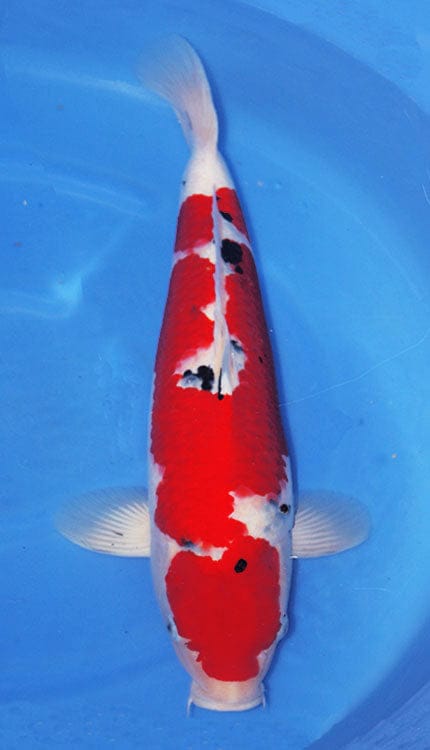
    A Sanke koi fish with a predominantly white and red coloration, with black spots, swimming in water.

    4208 Sanke 3 Year Female 23″ SOLD

    Kohaku
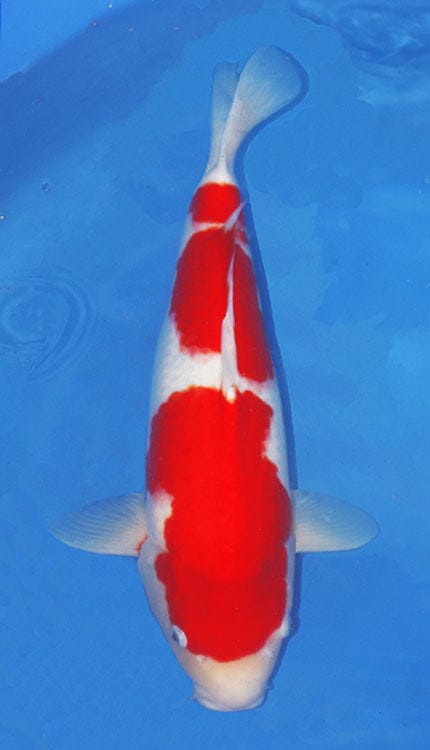
    A single Kohaku koi fish with a predominantly white body and red markings, swimming in blue water.

    4209 Kohaku 3 Year Female 22″ SOLD

    Ki Utsuri
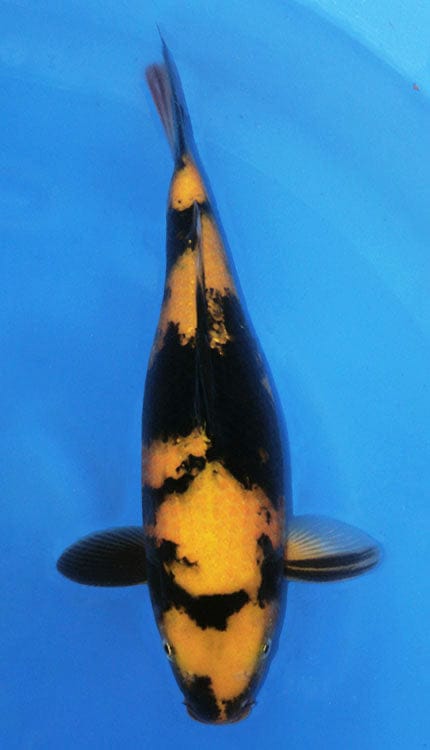
    A close-up image of a female koi fish with a black, white, and yellow color pattern, viewed from above in a blue aquatic environment.

    4012 Ki Utsuri 2 Year Female 18″ SOLD

    Showa
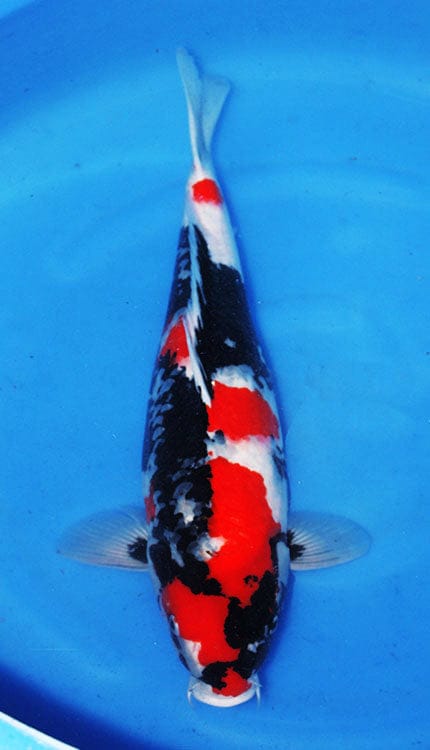
    A koi fish with predominantly black and white coloration, with red and white markings, swimming in water.

    4013 Showa 2 Year Female 22″ SOLD

    Showa
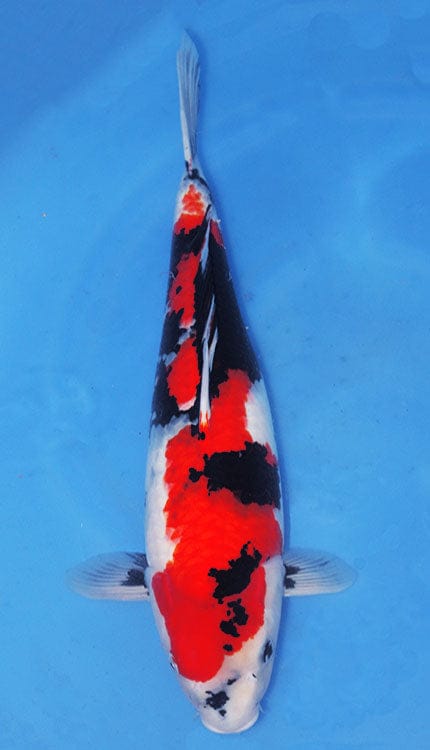
    A photograph of a 22-inch Showa female koi fish with black, white, orange, and gray colors on a blue background.

    4011 Showa 3 Year Female 24″ Koi Fish

    Shiro Utsuri
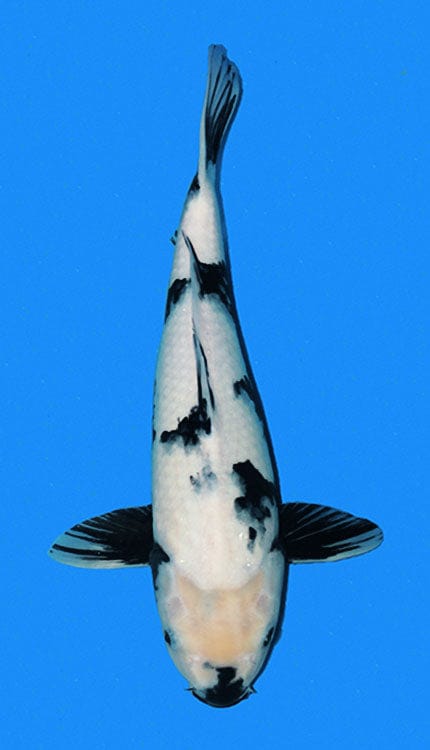
    A Shiro Utsuri is a striking Japanese koi variety known for its bold black-and-white contrast and powerful visual simplicity. As part of the Utsurimono group, it is defined by deep sumi laid over a white base, with the black pattern wrapping through the body to create movement, balance, and strength. A strong Shiro Utsuri should show clean shiroji, rich lacquer-like sumi, and a pattern that feels dynamic without becoming heavy, giving the fish a dramatic but polished presence in the water.

    34040 Shiro Utsuri 2 Year Female 16″ SOLD

    Ginrin Showa
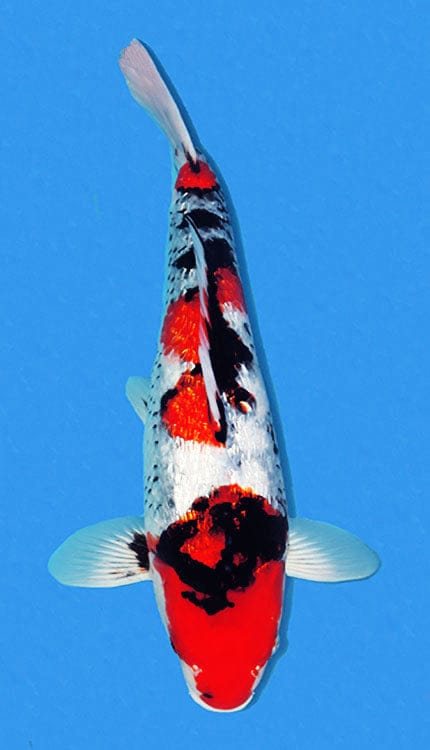
    A photograph of a Ginrin Showa koi fish, predominantly white with red and black markings, against a blue background.

    34041 Ginrin Showa 2 Year Female 17″ SOLD

    Ginrin Showa
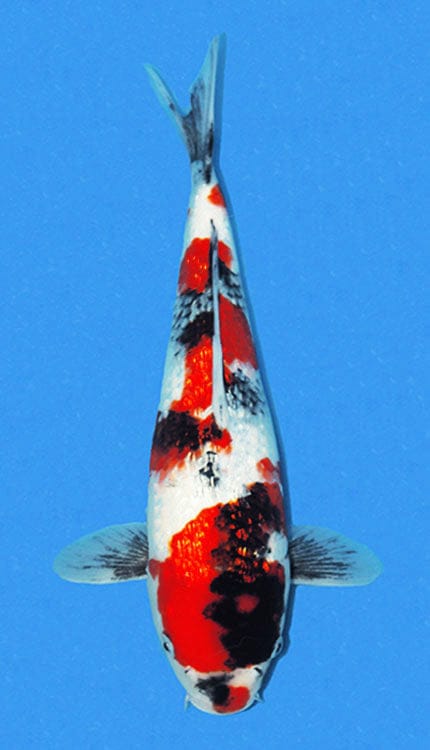
    A colored illustration of a female Ginrin Showa koi fish, predominantly white with red and black markings, 16 inches in size.

    34042 Ginrin Showa 2 Year Female 16″ SOLD

    Showa
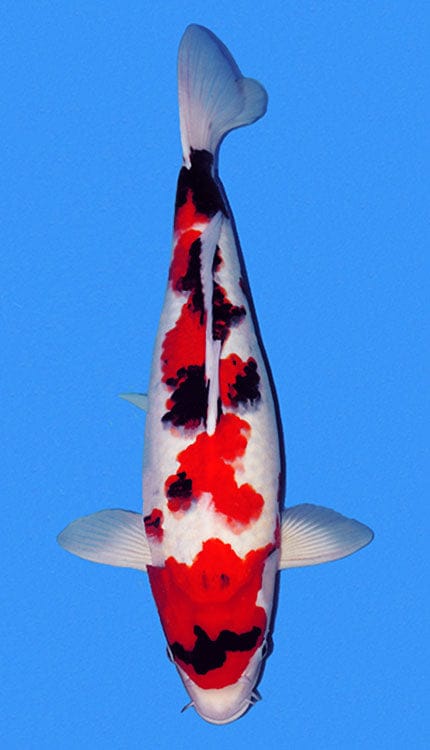
    A Showa 2yr Female Koi fish with predominantly white and red coloration, with black spots, against a blue background.

    34039 Showa 2 Year Female 18″ SOLD

    Sanke
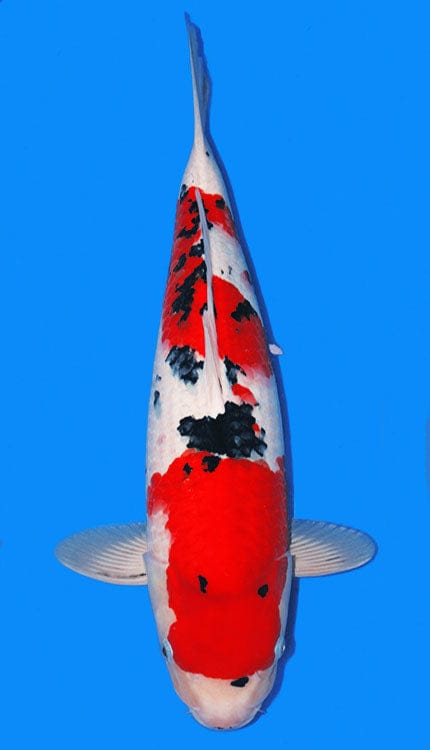
    A Sanke, or Taisho Sanshoku, is one of the three major classic varieties of Japanese koi, valued for its elegant combination of white, red, and black. Built on a Kohaku foundation, a Sanke features a clean white base with red pattern overlaid by sumi markings that add contrast and sophistication without overpowering the fish. Unlike Showa, Sanke is not black-based, so the white ground remains essential to the variety’s refined, open appearance.

    34037 Sanke 2 Year Female 21″ SOLD

    Showa
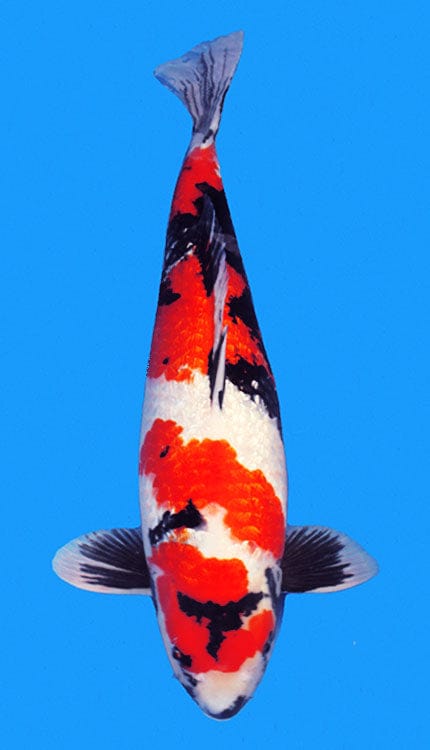
    A Showa koi, or Showa Sanshoku, is a powerful and expressive variety of Japanese koi known for its dynamic combination of sumi, beni, and shiroji.

    34038 Showa 3 Year Female 28″ SOLD

    Ai Goromo
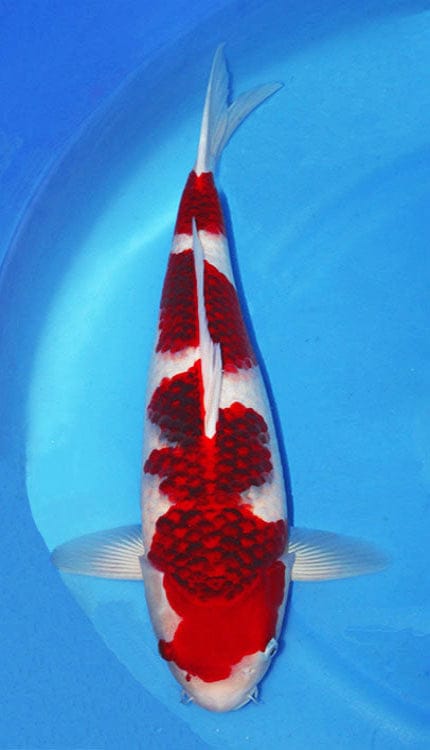
    An Ai Goromo is a graceful Japanese koi variety that blends the clean elegance of Kohaku with the soft, refined edging that defines Goromo.

    34035 Ai Goromo 2 Year Female 18″ SOLD

    Hi Utsuri
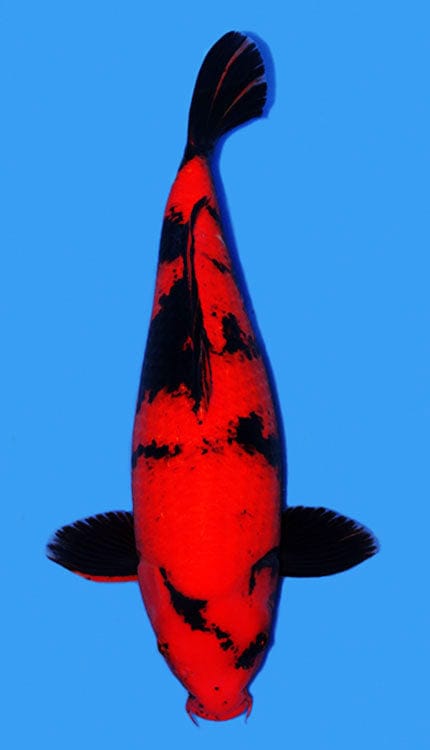
    A photograph of a red and black colored koi fish against a blue background.

    34036 Hi Utsuri 2 Year Female 19″ SOLD

    Showa
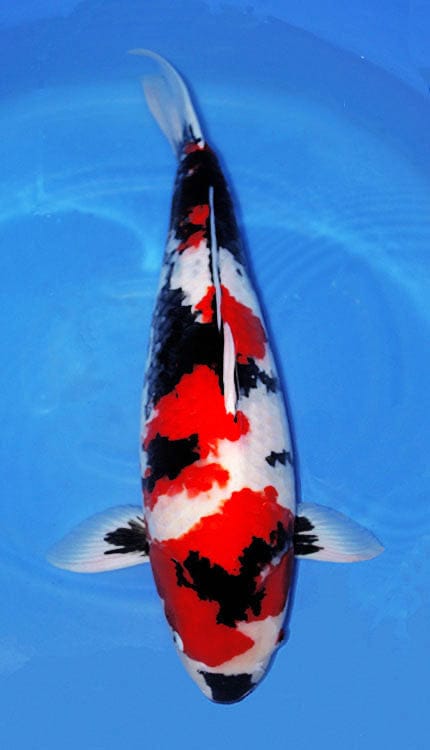
    A Showa 4yr Female Koi fish with a predominantly white and red coloration, swimming in water with a blue background.

    34034 Showa 4 Year Female 27″ SOLD

    Goshiki
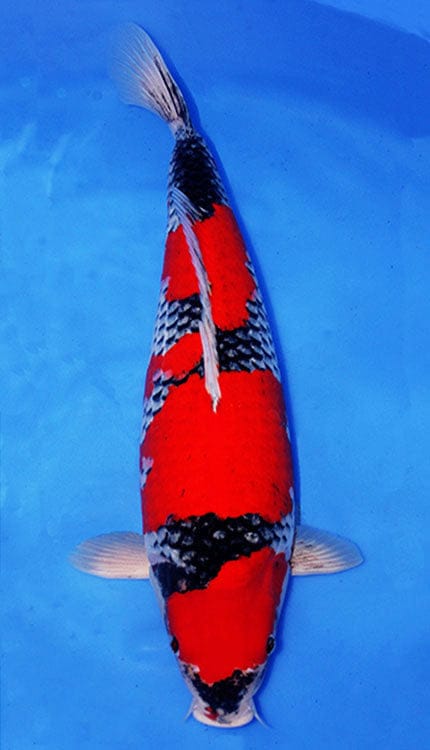
    A Goshiki is a distinctive Japanese koi variety known for blending Kohaku-style red pattern with a darker, layered base that can show shades of blue, gray, or black. The name Goshiki means “five colors,” reflecting the complex interplay of tones that gives this Nishikigoi its depth and character. In a strong Goshiki, the beni should remain clear and well-defined while the underlying reticulation or darker ground adds richness and texture across the body, creating a look that feels both refined and dramatic.

    34033 Goshiki 3 Year Female 24″ SOLD

    Sanke
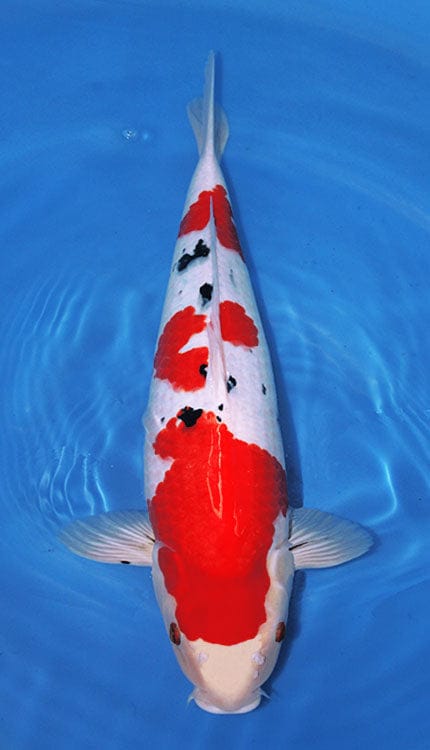
    A Sanke koi fish with a predominantly white body and red and black spots, swimming in blue water.

    34031 Sanke 2 Year Female 22″ SOLD

    Black Goshiki
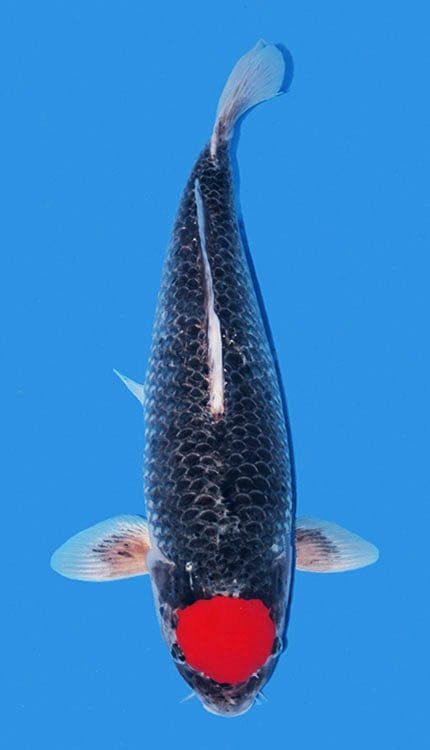
    A black Goshiki fish with a red mark on its head, viewed from above against a blue background.

    34032 Black Goshiki 3 Year Female 23″ SOLD

    Asagi
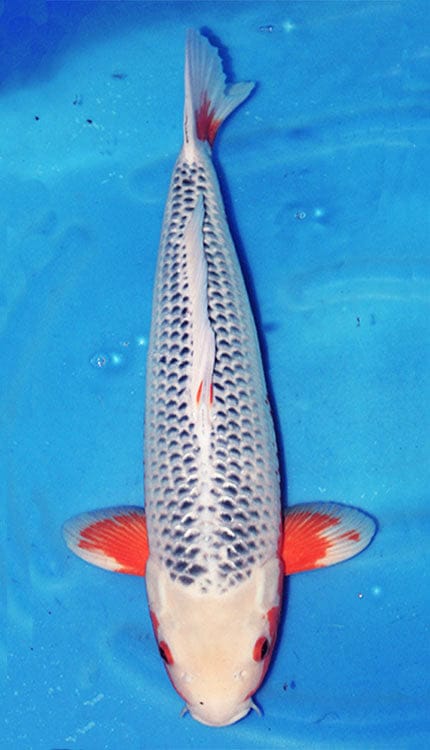
    A photograph of a 19-inch female Asagi koi fish, predominantly white with orange and black markings, against a blue background.

    34030 Asagi 2 Year Female 19″ SOLD

    Sanke
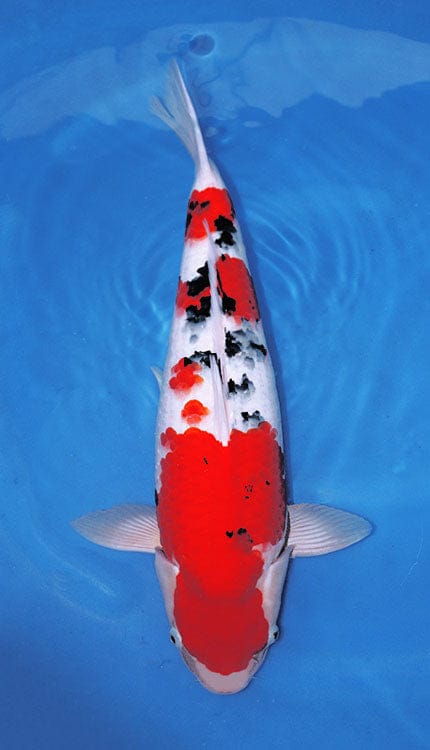
    A Sanke, or Taisho Sanshoku, is one of the three major classic varieties of Japanese koi, valued for its elegant combination of white, red, and black. Built on a Kohaku foundation, a Sanke features a clean white base with red pattern overlaid by sumi markings that add contrast and sophistication without overpowering the fish. Unlike Showa, Sanke is not black-based, so the white ground remains essential to the variety’s refined, open appearance. A well-balanced Sanke should show strong shiroji, even beni, an

    34029 Sanke 2 Year Female 22″ SOLD

    Kohaku
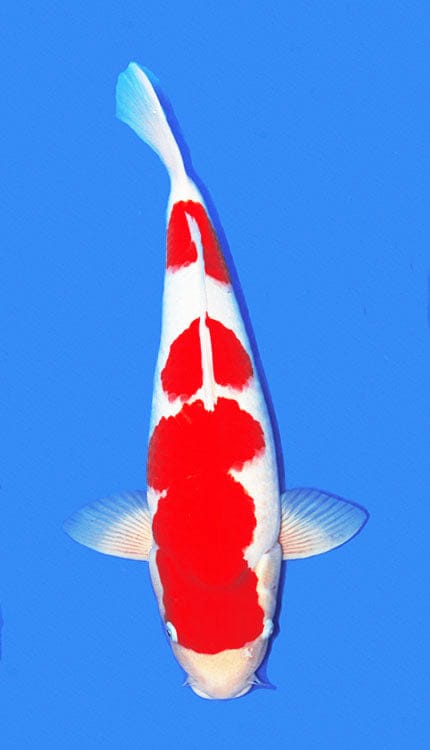
    A single Kohaku koi fish with a predominantly white body and red markings, against a blue background.

    34026 Kohaku 2 Year Female 22″ SOLD

    Kohaku
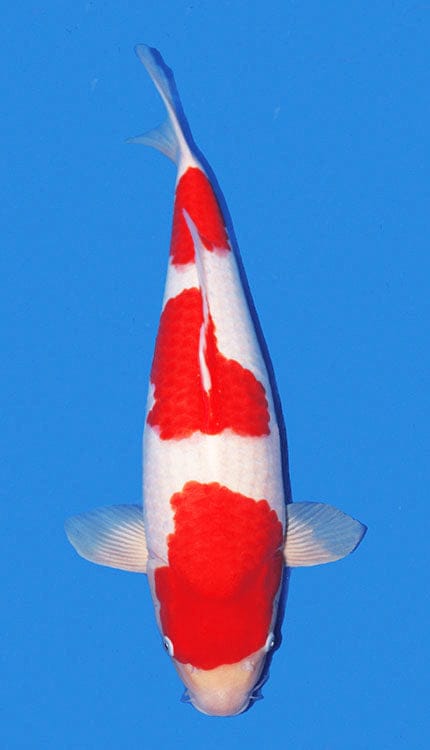
    A single red and white colored koi fish with a black patch on its head, displayed against a blue background.

    34027 Kohaku 3 Year Female 24″ SOLD

    Yamabuki
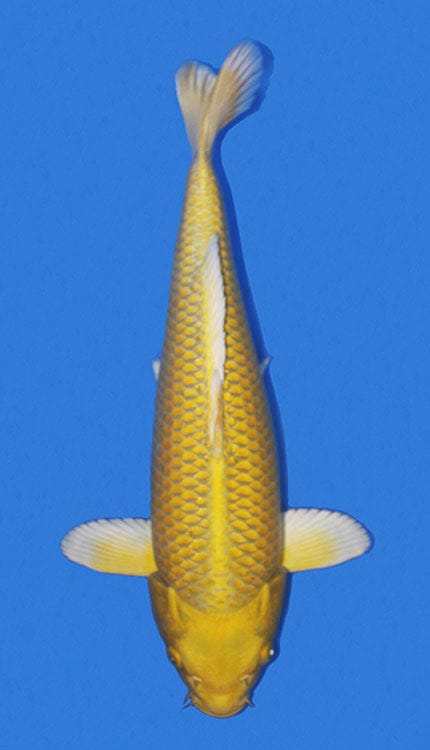
    A Yamabuki Ogon is a bright, unmistakable Japanese koi valued for its solid golden-yellow coloration and clean metallic luster. As one of the most recognizable hikari varieties, it is admired for its simplicity, where the beauty of the fish comes from the richness and evenness of the color rather than pattern. A strong Yamabuki should show consistent golden tone from head to tail, smooth metallic skin, and a clear, polished finish that gives the koi a luminous presence in the water.

    34028 Yamabuki 2 Year Female 18″ SOLD

    Ki Utsuri
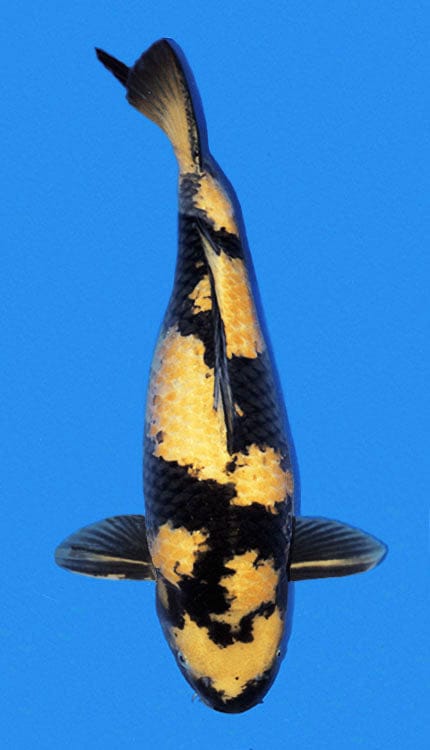
    A colorful koi fish with a black, gold, and white pattern on a blue background

    34024 Ki Utsuri 4 Year Female 26″ SOLD

    Doitsu Showa
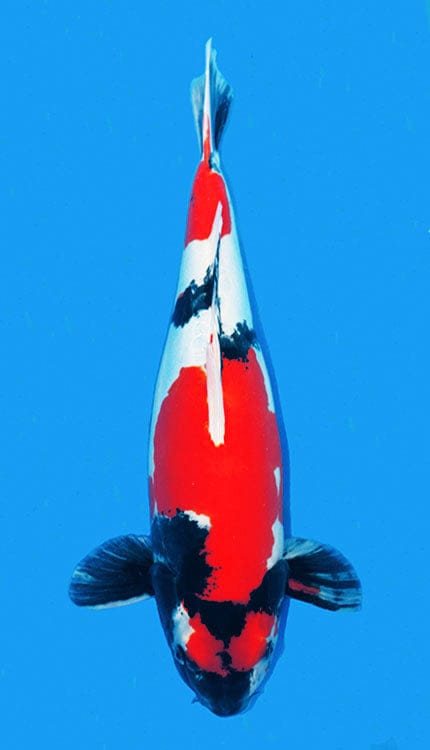
    A photograph of a Doitsu Showa koi fish with predominantly red and white coloration, swimming against a blue background.

    34025 Doitsu Showa 2 Year Female 17″ SOLD

    Grinrin Tancho Kohaku
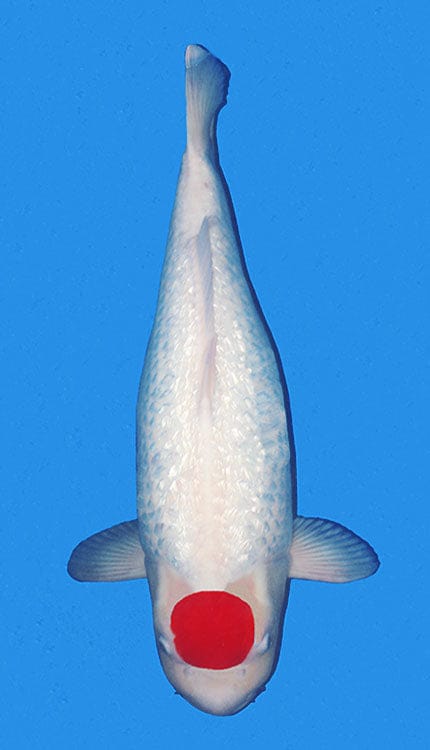
    A Ginrin Tancho Kohaku combines two highly admired traits in one elegant Japanese koi: the clean, singular tancho marking on the head and the brilliance of ginrin scales across the body. Built on the simplicity of Kohaku, this Nishikigoi is defined by a bright white base and a distinct red head marking, while the ginrin adds a reflective, jewel-like quality that gives the fish extra life in the water. A strong example should have a well-placed tancho spot, balanced body shape, and even sparkle that enhances

    34020 Grinrin Tancho Kohaku 3 Years Female 22″ SOLD

    Hi Utsuri
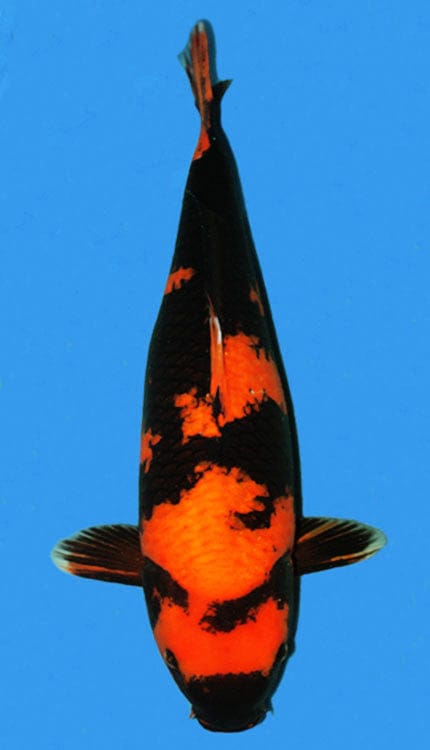
    A single koi fish with a black, white, and orange color pattern, against a blue background.

    34021 Hi Utsuri 4 Year Female 26″ SOLD

    Ginrin Shiro Utsuri
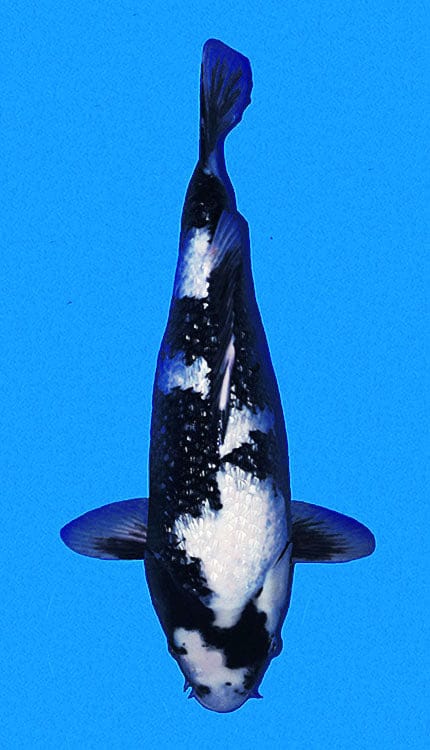
    A black and white koi fish illustration against a blue background.

    34023 Ginrin Shiro Utsuri 3 Year Female 24″ SOLD

    Showa
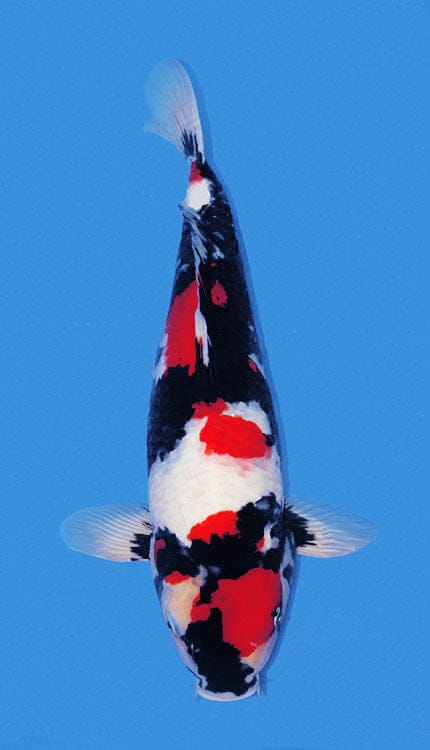
    A Showa koi, or Showa Sanshoku, is a powerful and expressive variety of Japanese koi known for its dynamic combination of sumi, beni, and shiroji. Unlike Kohaku or Sanke, Showa is a black-based Nishikigoi, meaning the sumi forms the foundation of the pattern and rises through the body beneath the red and white. A strong Showa often shows bold contrast, balanced movement in the pattern, and the kind of dramatic presence that makes the variety stand out immediately in the pond. Traditional markers such as men

    34014 Showa 2 Year Female 20″ SOLD

    Showa Sanke
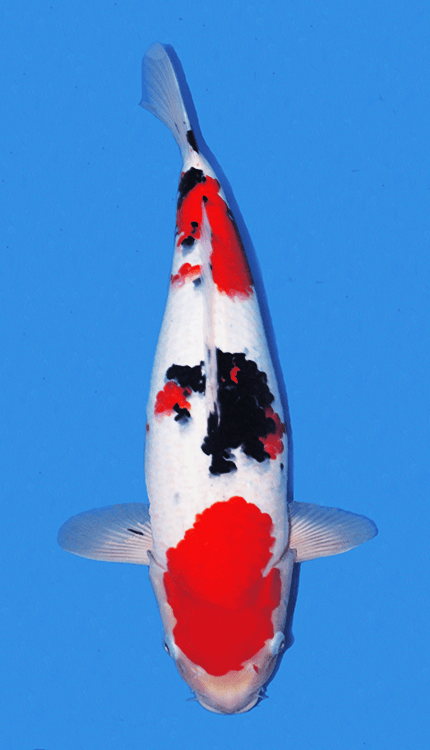
    A Showa Sanke refers to a koi that shows traits associated with both Showa and Sanke pattern styles, often used informally when a fish falls visually between the two. In traditional Japanese koi classification, Showa Sanshoku and Taisho Sanshoku are separate Nishikigoi varieties. Showa is black-based, with sumi forming the foundation of the pattern beneath the red and white, while Sanke is white-based, with black appearing more as accent markings over a Kohaku-like pattern. When people describe a koi as “Sh

    34015 Showa Sanke 2 Year Female 21″ SOLD

    Jumbo Kohaku
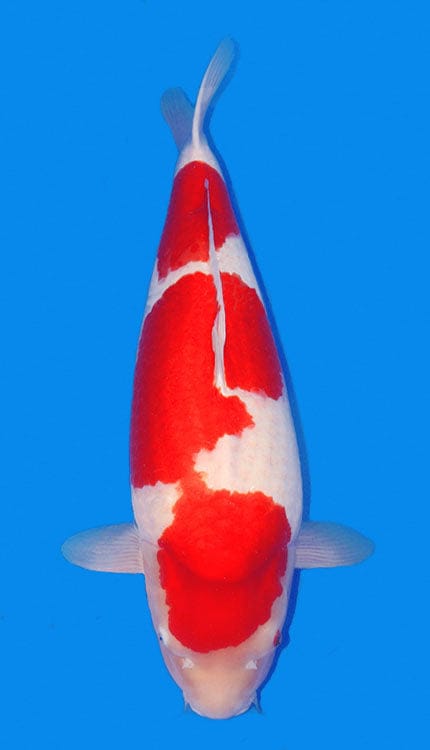
    A Jumbo Kohaku has the timeless elegance of Kohaku, paired with the added power and presence that come with exceptional size. As one of the most iconic varieties in Japanese koi, Kohaku is defined by rich beni over a clean white base, and in a jumbo example those classic qualities are displayed on a much larger, more commanding frame. The appeal of a Jumbo Kohaku lies not only in its scale, but in how well the pattern, body, and skin quality hold together as the fish grows. A strong example should still sho

    34010 Jumbo Kohaku 5 Year Female 33″ SOLD

    Ginrin Showa
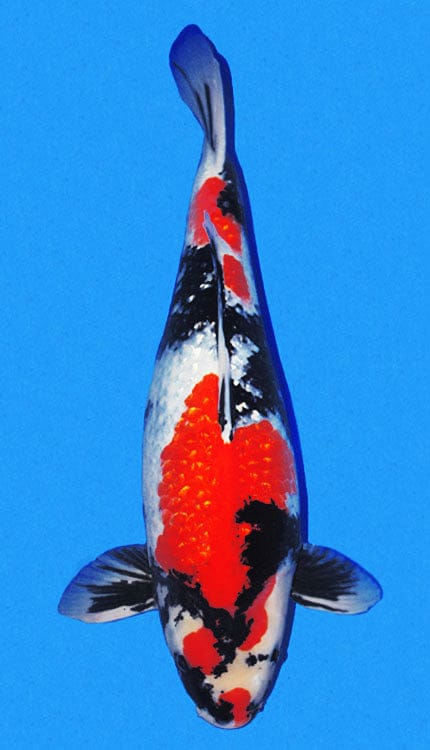
    A photograph of a female Ginrin Showa koi fish, predominantly white with black and orange markings, against a blue background.

    34006 Ginrin Showa 3 Year Female 26″ SOLD

    Tancho Goshiki
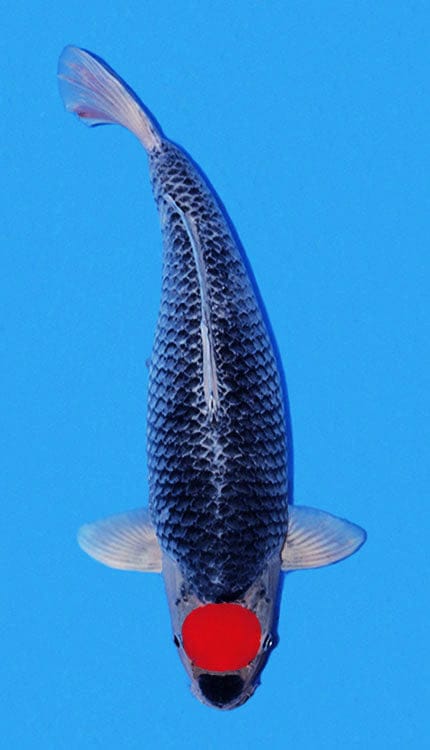
    A Tancho Goshiki combines the clean focal appeal of a tancho marking with the layered depth that makes Goshiki such a distinctive Japanese koi variety. In this form of Nishikigoi, the fish is recognized by a red head marking set against a lighter head, while the body carries the darker blue, gray, or black-based character associated with Goshiki. That contrast between a simple, centered tancho and the more textured, reticulated body gives the variety a very refined but visually interesting presence in the w

    34008 Tancho Goshiki 3 Year Female SOLD

    Kohaku
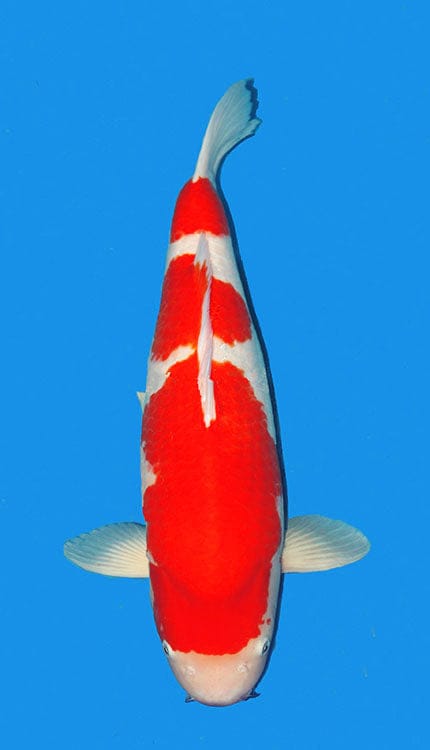
    A single Kohaku koi fish with a predominantly white and red coloration, displaying a female form, viewed from above against a blue background.

    34009 Kohaku 3 Year Female 22″ SOLD

    Showa
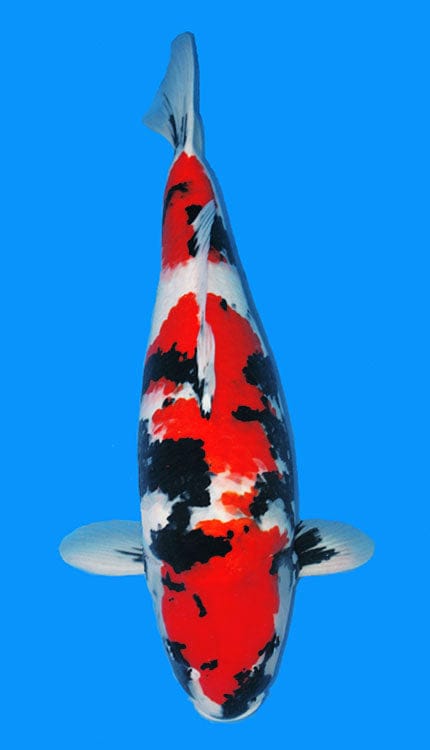
    An image of a Showa Koi fish with predominantly red, black, and white coloring, showcasing its sleek body and distinctive markings.

    34005 Showa Koi Fish 3 Years Female 23″ SOLD

    Hi Utsuri
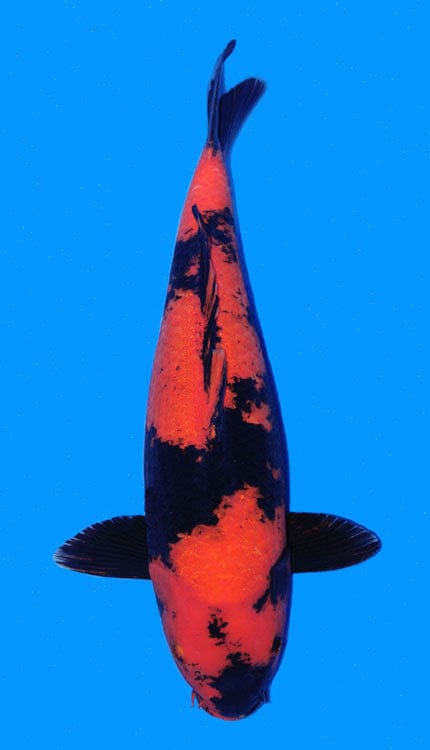
    A close-up image of a female Hi Utsuri Koi fish with striking red and black markings against a blue background.

    34004 Hi Utsuri Koi Fish 2 Years Female 20″ SOLD

    Beni Kumonryu
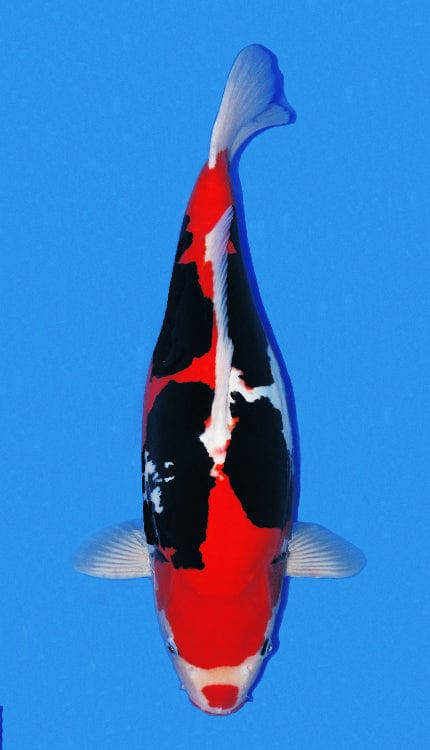
    A photograph of a Beni Kumonryu fish, predominantly red with black and white patterns, against a blue background.

    34000 Beni Kumonryu 3 Year Female 21″ SOLD

    Valentine Heart Showa
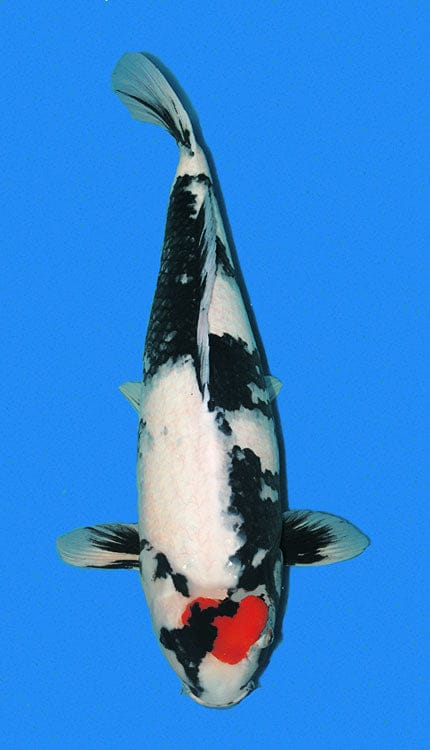
    A Showa koi fish with predominantly black coloring, featuring red and white markings, shown from the side against a blue background.

    34002 Valentine Heart Showa 3 Years Female 23″ SOLD

    Ki Utsuri
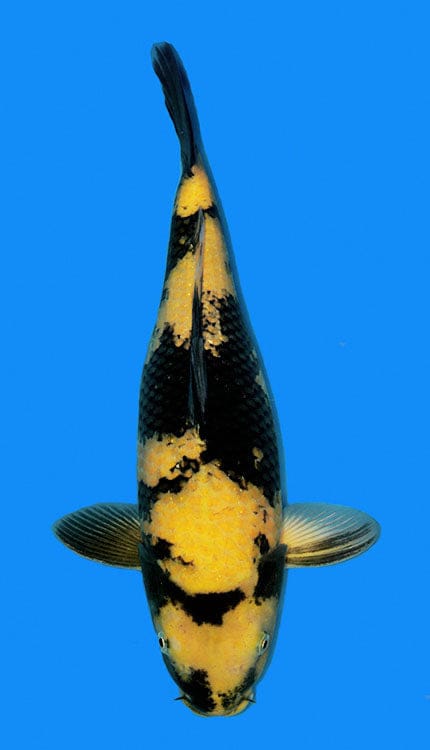
    The "Ki Utsuri" is a striking pattern seen in koi fish, characterized by its bold yellow markings contrasting with a deep black base. This unique color combination creates a captivating and dynamic appearance, making Ki Utsuri a popular choice among koi enthusiasts. The distinct yellow and black hues not only highlight the koi's graceful movements but also symbolize good fortune and happiness in Japanese culture. Perfect for adding a vibrant touch to any koi pond, the Ki Utsuri is a testament to the beauty

    34003 Ki Utsuri Koi Fish 2 Years Female 18″

    Kohaku
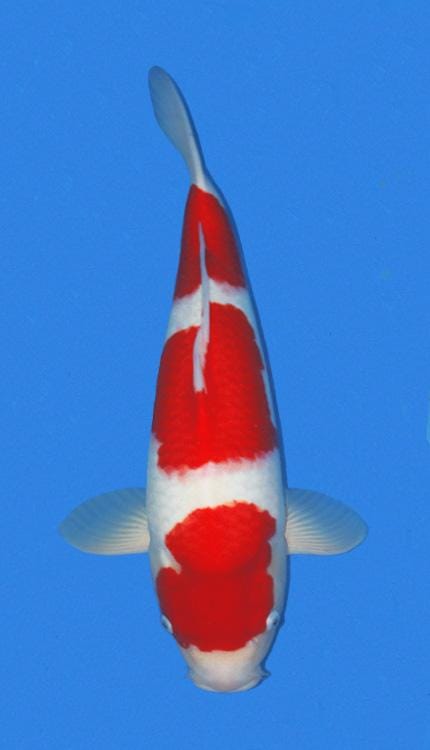
    The Kohaku Koi comes in a variety of white and red shades, but the highest quality or grade would have red patterns that match the color of the Japanese flag, and the body color should be pure white like snow (Often, the color pattern is more orange-ish than red.) The Koi fish should have well-defined colors with fine edges that distinguish the body's white and red regions. To be highly graded, certain areas of the body should not have any red spots or patterns, such as fins, around the mouth and lower port

    3041 Kohaku Koi Fish 3 Years Female 23″ SOLD

    Doitsu Sanke
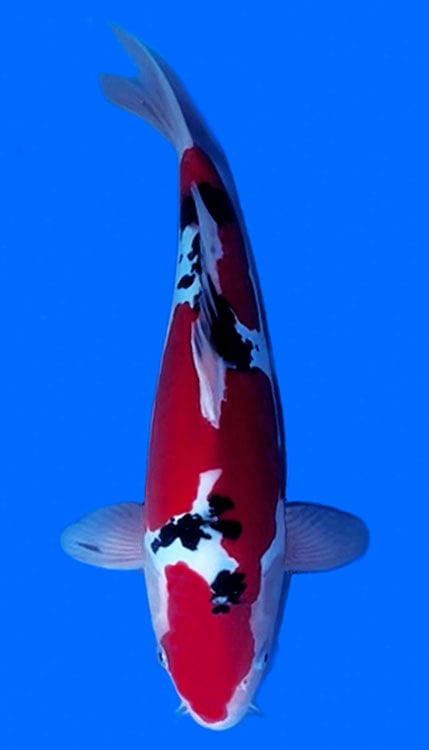
    Colorful 26016 Doitsu Sanke 2 Year Female 15" Koi Fish against a blue background

    26016 Doitsu Sanke 2 Year Female 15″ Koi Fish

    Looking for a Koi of Your Own?

    These koi have found new homes, but there are more to discover. Explore our currently available koi to find one that catches your eye.